Fox Red Lab Health: Symptoms, Screening Tests & Preventive Care
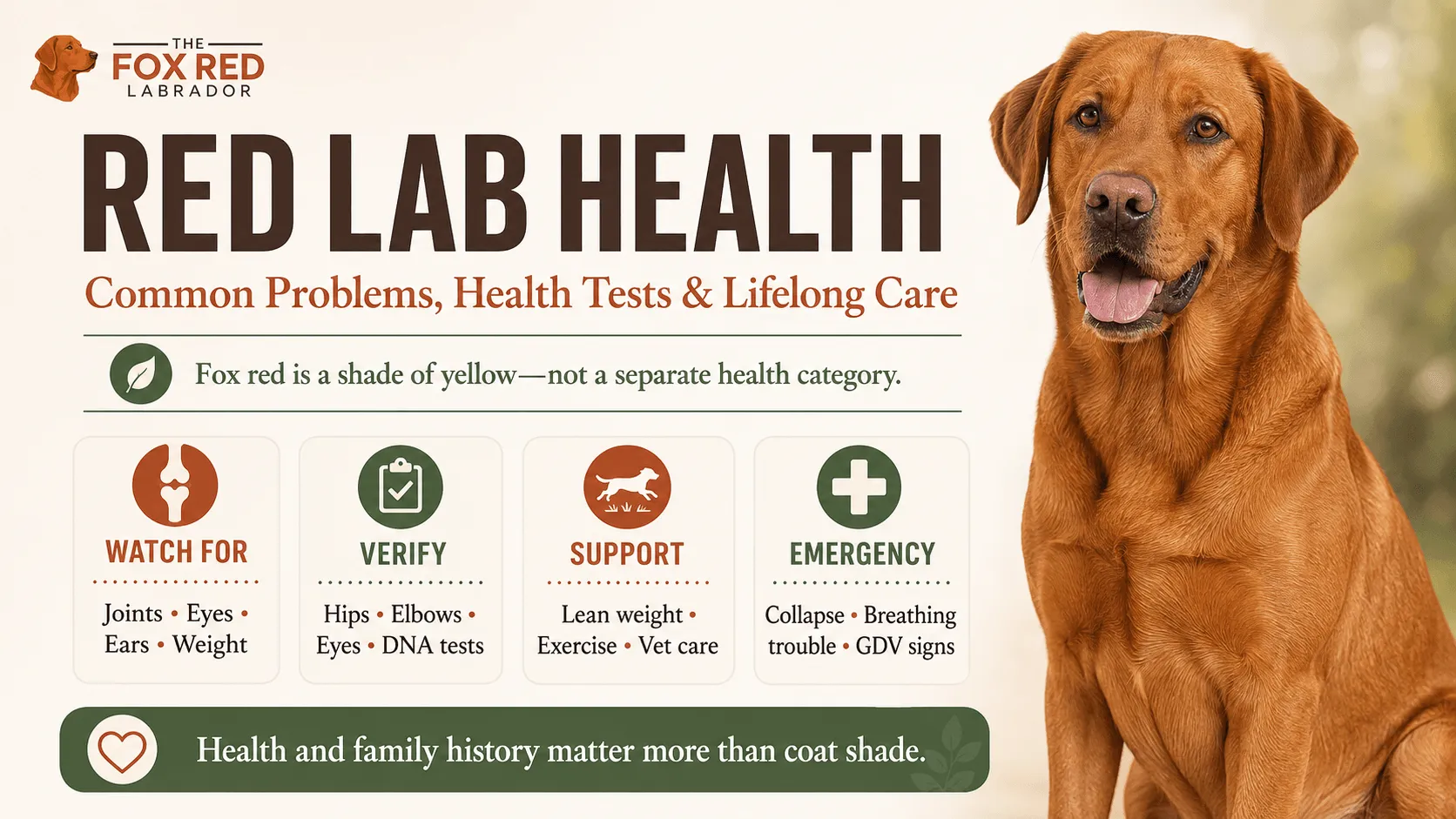
When bred and cared for by responsible breeders, red Labradors are as healthy as other yellow Labradors. They do not form a separate breed nor a known group of red specific diseases.
Dogs may still pass on or develop conditions that are common outside of the Labrador line. A few conditions that should be addressed are hip dysplasia, elbow dysplasia, obesity, ear disease, eye problems, exercise induced collapse, and cruciate injuries. The depth of a puppy’s coat is not a good indicator of his risk; verified parental screening does.
This is a guide to general veterinary education. If a dog has symptoms, it requires advice from a veterinarian who can examine the dog.
Quick Answer: Are Red Labradors Healthy?
The majority of red Labs can live active, healthy lives. Several interrelated factors are important to their future health: family history, parental screening, weight, physical conditioning, environment and the availability of veterinary care.
The term “generally healthy” does not imply immunity to disease. Predispositions indicate what to look for, but do not give a prediction of what will occur with a specific dog.
Are Red Labradors Healthier Than Yellow Labradors?
Fox red is a shade of yellow Labrador. It is not a distinct health category that can be compared to the average of all yellow Labradors. Fox red sits within the yellow spectrum rather than forming a separate health category.
Inherited risks for a pale yellow dog and a dark red dog might be similar. Shade is of minor importance when compared to differences between families, breeding programs, and individual dogs.
Do Red Labradors Have More Health Problems?
No evidence to date shows that the normal fox-red color is a cause of disease. Certain conditions may be passed down in a particular bloodline, but that is a family history problem and not a coat colour problem.
Inquire about the health and life expectancy of close family members. Then check the parents’ registered results. Those records provide more information than pictures of a pretty dark coat.
Does The Red Coat Cause Health Problems?
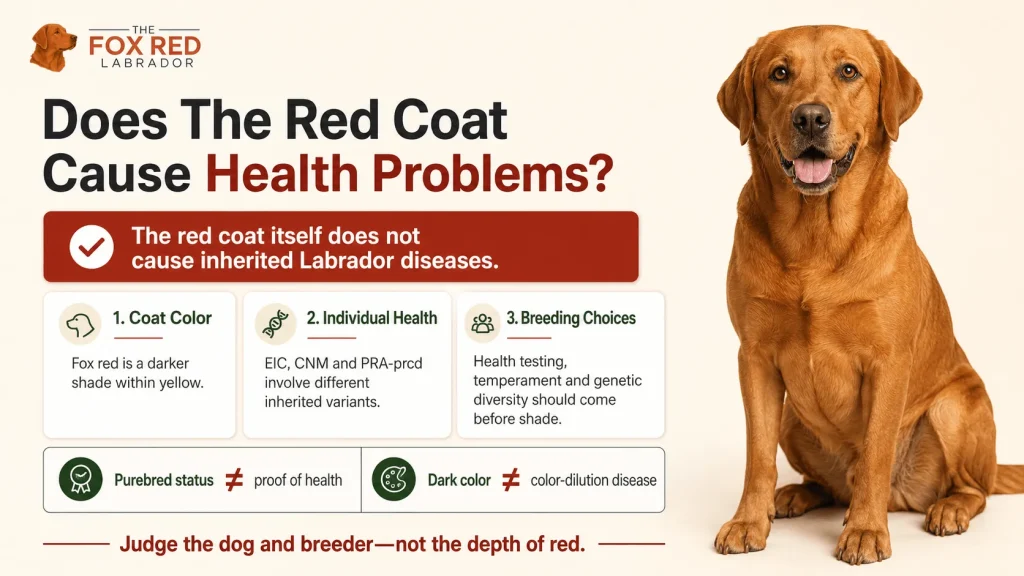
The pigment that gives yellow-to-red coloring is more highly expressed in a fox-red coat. The visible pigment is not the same as one seen in diseases like EIC, CNM or PRA-prcd. The genes controlling coat appearance.
Fox red is also distinct from a dilute yellow, which is sometimes called “champagne.” Normally pigmented red Labs should not be automatically assumed to have color dilution concerns.
Are Red Labs Genetically Different?
Each dog has its own unique set of genes. Fox-red Labs are not, however, a separate genetic breed buried in the Labrador population.
The genes that affect coat appearance do not give the full picture of a dog’s health. Just a rich red puppy can be a carrier, a clear or genetically at risk for an inherited disorder, like a pale yellow puppy.
Are Fox-Red Labradors Purebred?
A fox-red Lab may be a purebred if his/her documented parents are Labrador Retrievers and the requirements of the registry are met. Ancestry cannot be established by coat color.
Registration and health are two distinct issues. A pedigree does not prove normal hips, good eyes or good breeding.
Can Breeding For Darker Color Affect Health?
The choice of a highly desirable characteristic may narrow the breeder’s pool of dogs. When shade is consistently more important than good health, good structure, temperament and genetic diversity, there is less focus on inherited risk.
Not all fox-red breeders who specialize in the breed practice poor breeding. A responsible breeder may choose to breed a dark colored dog without relying on screening, pedigree analysis or repeated breeding for almost all appearance. Buyers can use the complete fox red Labrador breeder red-flag checklist to identify color-first marketing, unverifiable testing, and unsafe breeding practices.
What Does The Research Actually Show?

The health evidence that is most reliable is for Labrador Retrievers as a breed. Very little research has been conducted to compare fox-red Labs with other colors.
That distinction matters. If chocolate Labradors are a finding, it can’t be just moved to dark yellow dogs because they get buyer interest too.
| Claim | Evidence level | Can it be applied to fox-red Labs? |
|---|---|---|
| Fox red is within yellow | Breed classification | Yes |
| Labs have recognized orthopedic risks | Labrador research | Yes |
| Chocolate Labs showed certain differences in one population | Color-specific research | Not automatically |
| Dark red pigment causes disease | No adequate evidence was identified | No |
A 2021 VetCompass study found a number of disorder predispositions and protections in the Labrador; however, it did not come up with a unique fox-red disease profile. Research should therefore inform the monitoring of the whole of Labrador, but not be used as a diagnosis for shade.
Red Labrador Lifespan And Life Expectancy
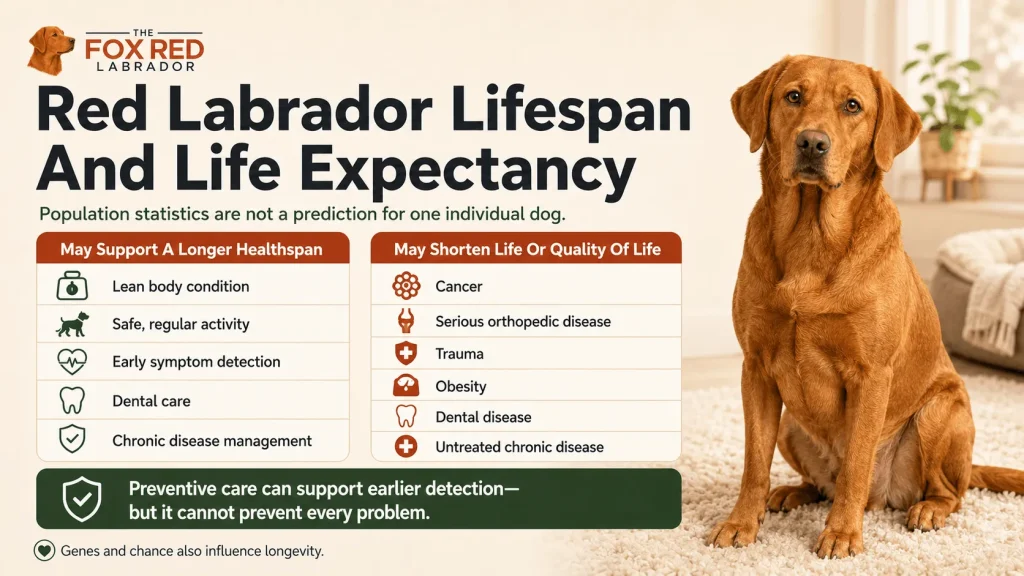
The average lifespan is about the same as that of other yellow Labs. There are a number of published estimates, as they come from different countries, populations, time periods and types of veterinary records studied.
Average, median and life expectancy are not synonymous. A lifespan number is a statistic about a population, not a prediction of how long one of your favorite dogs will be by your side, warm on the sofa.
Some risk factors associated with a longer healthspan are a lean body condition, safe activity, early detection of symptoms, dental care and management of chronic disease. There is also a role for genes and randomness.
What Can Affect A Red Lab’s Lifespan?
While there are inherited disorders that can influence longevity, there are also acquired diseases that can have an impact. Diseases such as cancer, serious orthopedic disease, trauma, obesity, dental disease, and untreated chronic disease can decrease lifespan and/or quality of life.
No preventive care can prevent all problems. Can aid in the earlier detection of changes and assist with decision making when disease occurs.
Red Labrador Common Disease At A Glance
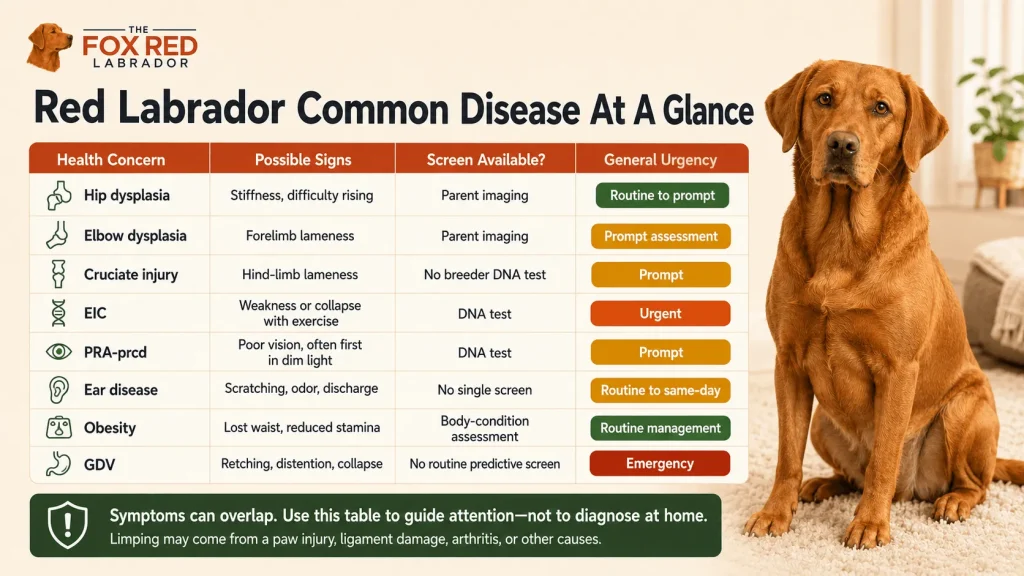
The concerns listed below are not listed in order of frequency. They indicate what the owner might see, if screening by breeders is available and the speed at which assistance may be required.
| Health concern | Possible signs | Screen available? | General urgency |
|---|---|---|---|
| Hip dysplasia | Stiffness, difficulty rising | Parent imaging | Routine to prompt |
| Elbow dysplasia | Forelimb lameness | Parent imaging | Prompt assessment |
| Cruciate injury | Hind-limb lameness | No breeder DNA test | Prompt |
| EIC | Weakness or collapse with exercise | DNA test | Urgent |
| PRA-prcd | Poor vision, often first in dim light | DNA test | Prompt |
| Ear disease | Scratching, odor, discharge | No single screen | Routine to same-day |
| Obesity | Lost waist, reduced stamina | Body-condition assessment | Routine management |
| GDV | Retching, distention, collapse | No routine predictive screen | Emergency |
Symptoms often overlap. A table should direct attention, not encourage the home diagnosis, as limping can be caused by a paw injury, damage to the ligaments, arthritis, or many other issues.
Hip And Elbow Dysplasia

Hip dysplasia and elbow dysplasia are developmental joint disorders that are affected by genetic and environmental factors. Both conditions can cause pain, impaired mobility and osteoarthritis.
A breeding dog should not be eliminated based on normal appearance or movement. Evaluation is dependent on radiographs received via an accepted screening program, and an ordinary DNA panel is not a substitute for radiographs.
Signs Of Red Lab Hip Dysplasia
There are dogs who have problems standing after a period of rest and others who are reluctant to use stairs. Some exhibit stiffness in the back legs, decreased jumping, a wobbling or bunny-hopping gait when running, or a wobbly gait when lying down.
Signs don’t always reflect the amount of change that can be seen on an X-ray. A dog may have mild-looking images and may be uncomfortable, and a dog with marked images may look very active.
Signs Of Red Lab Elbow Dysplasia
Front leg lameness, stiffness after rest, a shortened stride or reluctance to exercise are common signs of elbow disease. If both elbows are involved, the gait may be subtle as the dog cannot put all the weight on a comfortable front leg.
Paw injuries and muscle strains are similar at home. If forelimb lameness occurs again or for a long time, it should be examined.
How Are Dysplasia And Arthritis Managed?
Treatment is determined by the affected joints, the dog’s age, pain, lifestyle and the imaging results. All of these may be appropriate: lean body condition, controlled activity, rehabilitation, environmental changes, veterinary pain relief and surgery.
Medications that are safe for humans are not safe for dogs. Do not administer ibuprofen, naproxen, acetaminophen or any other household medication without the specific recommendation of a veterinarian for this dog.
Cruciate Ligament Injuries And Other Causes Of Limping
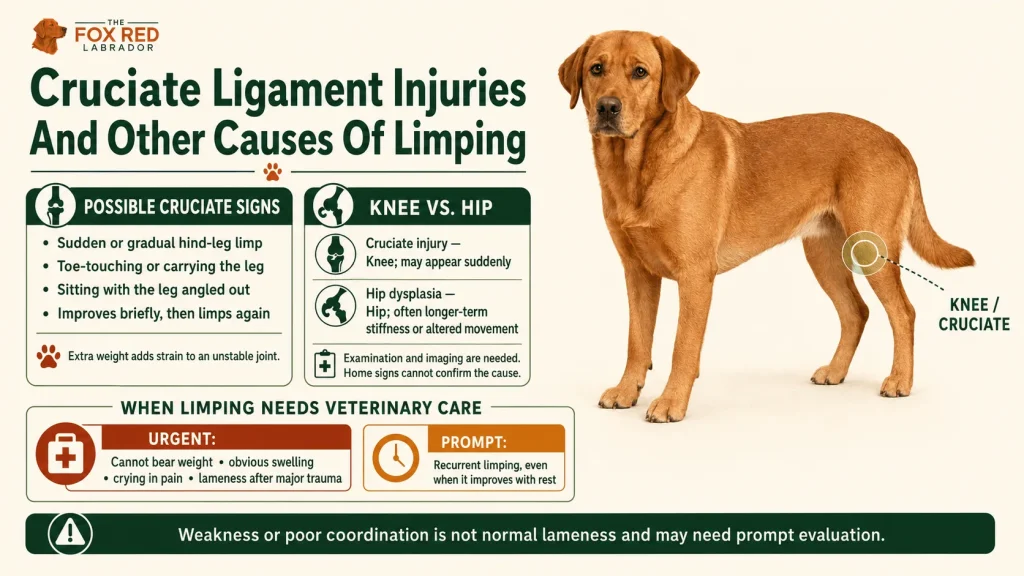
The cranial cruciate ligament is a ligament that stabilizes the knee. Damage may happen suddenly when the activity is being carried out or gradually as the ligament becomes weaker.
The affected Lab may drag his/her leg, only put the toes down, sit with the leg out at an angle, or get up and walk a bit better before limping again. Extra weight puts strain on an already unstable joint.
How Is a Cruciate Injury Different From Hip Dysplasia?
Cruciate damage is a condition of the knee and hip dysplasia is a condition of the hip. A cruciate problem may present itself abruptly, while hip dysplasia may have a more prolonged course of stiffness or other abnormal movements.
Neither is reliable enough for home diagnosis. Physical examination and imaging can help identify the source and exclude fractures, joint disease or other injuries.
When Does Limping Require Veterinary Care?
Get immediate treatment if a dog is unable to bear weight, is obviously swollen, is crying in pain, or is lame after major trauma. Recurrent limping must also be addressed, even if it appears to go away with rest.
Weakness and poor coordination are not normal lameness. Those signs can indicate neurologic, metabolic, cardiac or exercise-related issues, and may require expedient evaluation.
Exercise-Induced Collapse
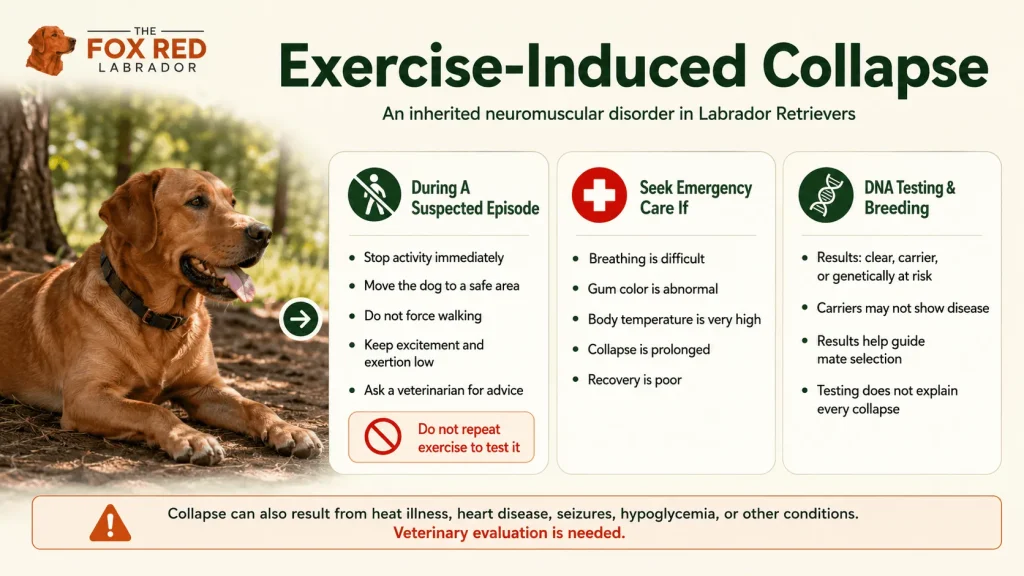
Labrador Retrievers have an inherited neuromuscular disorder called exercise induced collapse. Affected dogs may be perfectly normal in everyday life and then develop weakness or lack of coordination in high-intensity exercise or excitement.
Symptoms may include wobbles, dragging hindquarters, collapse or falling. Collapse may be caused by heat illness, heart disease, seizures, hypoglycemia and other conditions and should never be taken as a sign of EIC without veterinary evaluation. Owners should match activity to age, conditioning, climate, and medical status.
What Should An Owner Do During A Suspected Episode?
Cease activity and remove the dog to a safe area; don’t force the dog to walk. Keep further excitement and exertion to a minimum.
Ask a vet for advice. If breathing is difficult, the collapse lasts for a long time, the gum color is abnormal, the temperature is too high, or recovery is not good, emergency measures must be taken. Avoid repeating the exercise later to “test” whether it occurs again.
How Does EIC Testing Affect Breeding Decisions?
DNA testing can determine whether a dog is a carrier, a genetically at-risk dog, or DNA clear. Carriers do not necessarily suffer from the disease, but it is significant in choosing a mate.
Breeding without the use of testing would result in the production of puppies who are genetically at risk. It is unable to account for all cases of exercise intolerance or collapse.
Red Lab Vision Problems

Red Labs can also suffer from inherited retinal disease, cataracts, inflammation, corneal injury and age-related changes in the lens. If the child bumps into furniture or has cloudy, red, or yellow discharge or squints, all of these should be addressed.
Slow, painless changes are not necessarily as pressing as sudden, painful changes. A red, closed or visibly damaged eye should be evaluated promptly to prevent loss of comfort and vision.
Red Lab PRA (Progressive Retinal Atrophy)
Progressive retinal atrophy is a condition that is inherited and causes progressive degeneration of the retina. Low-light vision problems can occur before daytime vision is impacted.
A PRA-prcd DNA test is a test that is used to look for a disease-causing variant that has been identified. If the dog does not test negative, it does not mean that the dog has no retinal disease or any future vision loss.
Red Lab Cataracts And Cloudy Eyes
A cataract is a change in the transparency of the lens, which can affect vision. A cloudy or blue tint to the eyes of an older dog is also a sign of nuclear sclerosis, but not the same condition.
Corneal disease can cause cloudiness on the surface of the eye and can be painful. The only reliable method of distinguishing these changes is an examination.
When Is An Eye Problem Urgent?
If the animal squints, the eyes are very red, the animal suddenly loses vision, there is marked swelling, trauma or an abnormal looking pupil, it should be treated immediately by a veterinarian. Symptoms of pain include rubbing the face, hiding, or not opening the eye.
If the discharge is heavy or the changes are quick, it is important to intervene in time. It can be a treatable problem, but it becomes a much harder one if left untreated for a few days, with a painful eye.
Reb Lab Ear Infections, Allergies, And Skin Problems
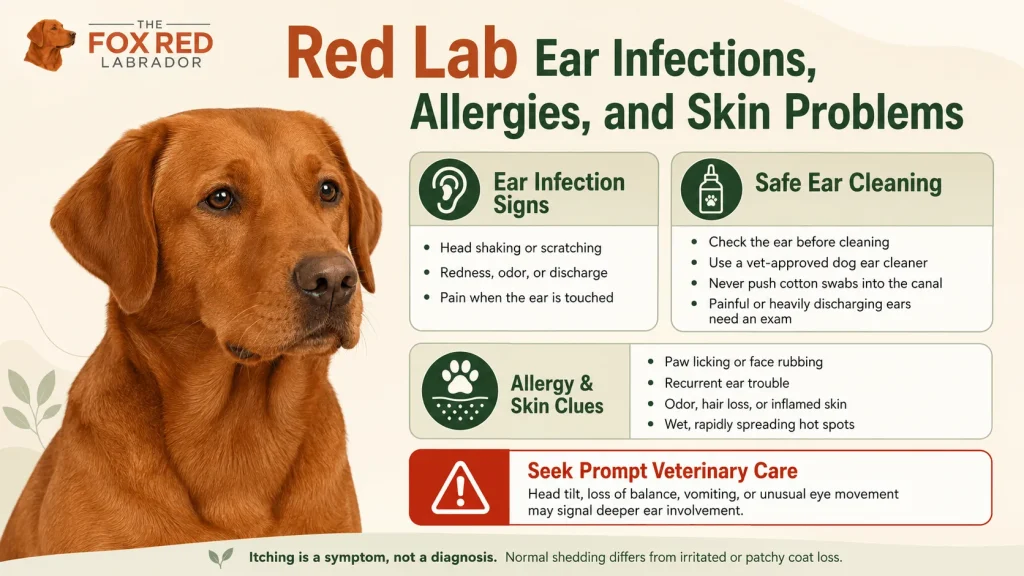
Labradors’ ears can catch moisture, particularly after swimming. Changes in the ear canal, allergies, parasites, yeast and bacteria can also cause inflammation.
There are lots of potential causes of skin disease. The color of the coat does not necessarily give us the answer as to which one is causing the problem, and itching is a symptom, not a diagnosis.
Environmental dryness, excessive bathing, parasites, allergies, infection, nutritional imbalance or endocrine disease may also cause dry or flaky skin. If the issue is persistent scaling, odor, hair loss or itching, then it requires an assessment as appearance does not necessarily indicate the cause.
Signs Of An Ear Infection
Symptoms include head shaking, scratching, redness, odor, discharge and pain when the ear is touched. Some dogs become quiet or do not want to have their head handled.
If a person shows a head tilt, unsteadiness, vomiting, or an unusual eye movement, it could indicate deeper ear involvement. Those changes require immediate veterinary evaluation.
How Should A Red Lab’s Ears Be Cleaned?
Check the ear before using a cleaner. If necessary, a mildly waxy, comfortable ear can be cleaned with a product made for dogs that is approved by a veterinarian.
Do not push cotton swabs down the canal. If the ear is bleeding, swollen, painful or heavily discharging, it should be examined, not cleaned at home.
The cleaning schedule does not apply to all Labs. Cleaning of the ears may be necessary after swimming or as recommended by a veterinarian, depending on the dog; however, healthy, comfortable ears may require minimal care. Frequent cleaning can irritate the canal.
Red Lab Skin Allergies, Itching, And Hot Spots
Itching may be caused by environmental allergy, parasites, secondary infection, contact irritation, and food reactions. The problem can be accompanied by licking of paws, rubbing of face, recurrent ear problems, hair loss, or inflamed skin.
Hot spots are wet, irritated patches that may grow rapidly when a dog licks or scratches. If the redness, odor, discharge, or itchy sleep disruption is spreading, seek veterinary assistance. Normal seasonal hair loss should be distinguished from irritation or patchy coat.
Hereditary Nasal Parakeratosis
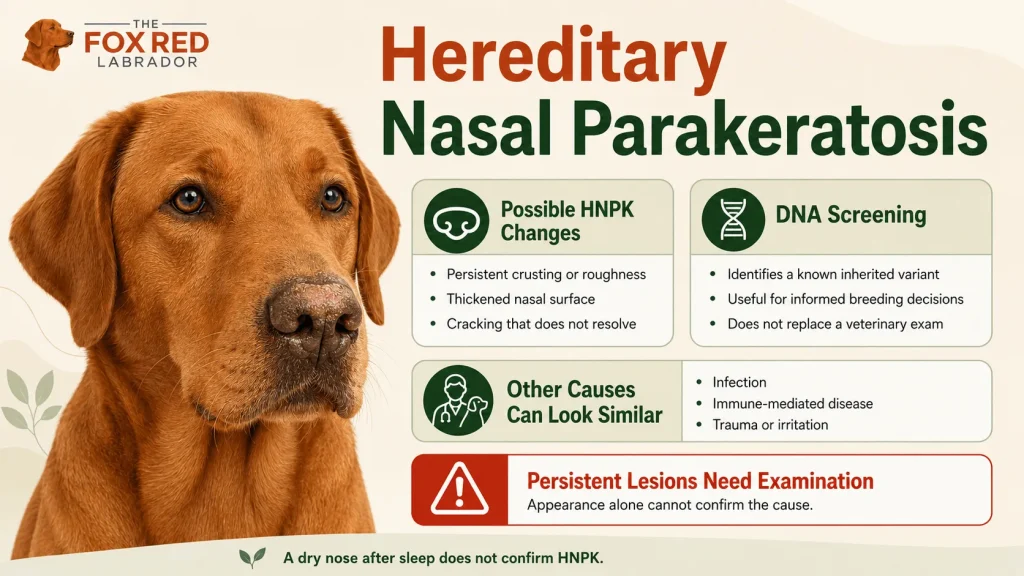
Affected Labradors may have persistent crusting, roughness, thickening and cracking of the nose due to hereditary nasal parakeratosis or HNPK. It is not enough to have a dry nose after sleeping for the disorder to be confirmed.
A known inherited variant can be identified using DNA screening. Other conditions such as infection, immune-mediated disease, and trauma, can cause similar nasal changes and persistent lesions should be examined.
Centronuclear Myopathy
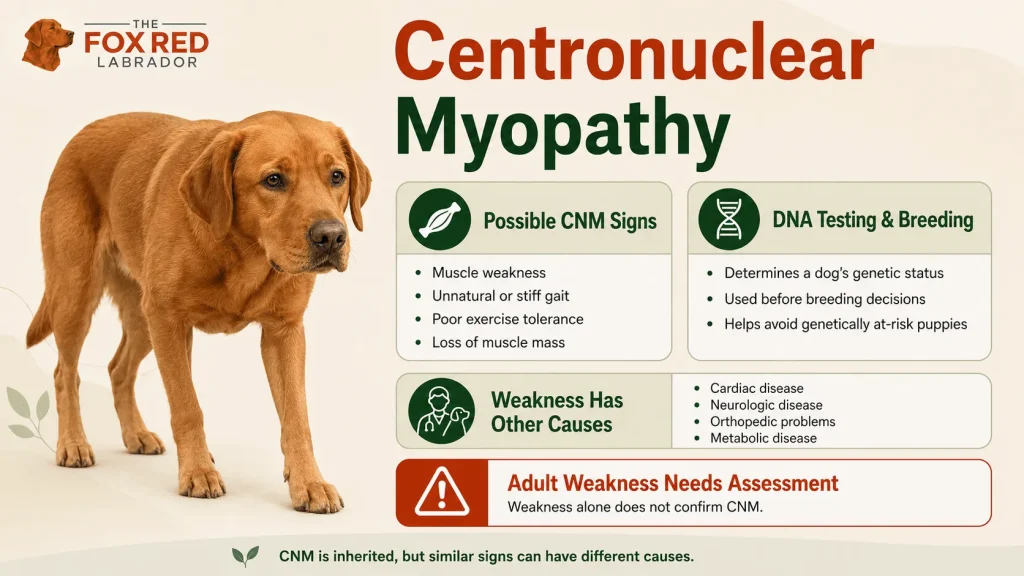
Labrador lines have an inherited muscle disease called centronuclear myopathy. Dogs may be weak, have an unnatural gait, poor exercise tolerance and muscle loss.
Breeding DNA tests are used to determine genetic status prior to breeding. In an adult dog, weakness is not necessarily a sign of CNM, as cardiac, neurologic, orthopedic and metabolic diseases can mimic each other.
Red Lab Obesity And Body Condition
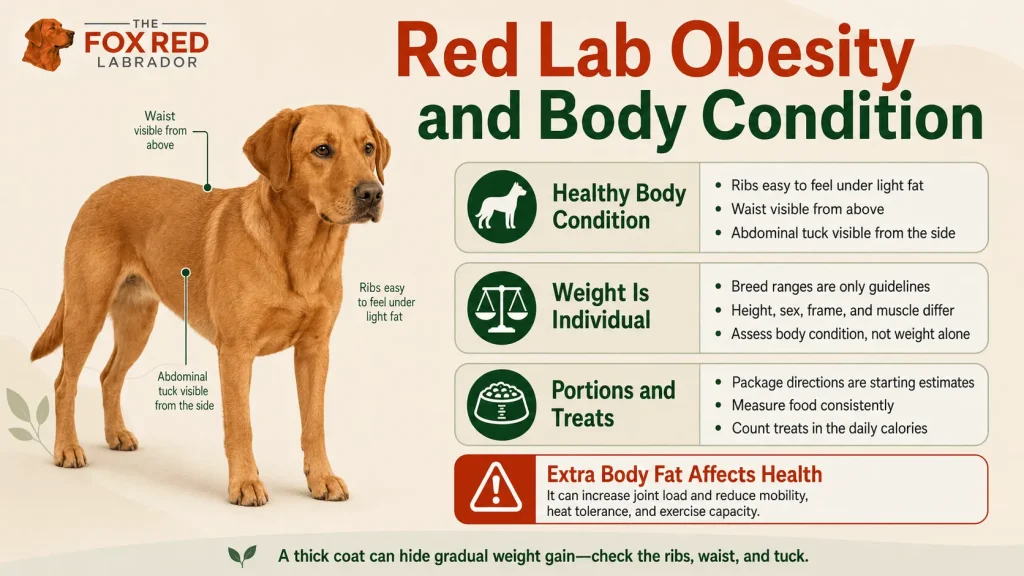
Labradors are very food-motivated. This is great for training treats, but can make it easy to overlook the gradual weight gain.
Excessive body fat can cause increased loading of joints and exacerbate arthritis, mobility, heat tolerance and exercise capacity. A thick coat may conceal the change until the waist has snuck out with its bags.
What Is A Healthy Weight For Red Labrador?
The ranges of breeds are only guidelines, not recommendations. Two healthy Labs can be very different in weight due to height, sex, frame and muscle mass.
Ideal body condition is when the ribs are easily felt under a light layer of fat. The top of the waist should show and a tuck should appear on the side of the abdomen.
How Much Should A Red Labrador Eat?
This is determined by the calorie density of the food, the dog’s age, activity, medical requirements and body condition. The directions for feeding on a package are beginning estimates.
Measuring by weight is more consistent than by eye. Treats count, too, such as the “tiny” ones that somehow seem to always be there when those persuasive brown eyes look hungry.
Red Lab Heart Disease

Labradors can be born with or develop heart disease. One condition known in the breed is tricuspid valve dysplasia, but not all Labs will have it.
Symptoms may include fatigue, dizziness, weakness, cough, difficulty breathing or bloating of the abdomen. Some abnormalities are only detected as a murmur when a child is having a routine check-up.
When Do Cardiac Signs Require Emergency Care?
If they breathe with difficulty, collapse, their gums turn blue or gray, they are very weak, or they cannot settle, they need emergency care. Gums that are very pale may also indicate poor circulation, bleeding or some other serious issue.
If the abdomen is rapidly enlarging, the child is weak or has trouble breathing, the condition should not be observed at home. That combination can be caused by several life-threatening conditions.
Should Breeding Labradors Receive Cardiac Screening?
The advice for the heart differs from country to country, from parent club to parent club and from one breed to another, depending on the breeding situation. Basic and advanced cardiac imaging evaluations do not give the same information.
Buyers should inquire what type of assessment was conducted, who conducted the assessment, when the assessment was conducted, and where the result can be verified. The phrase “Heart checked” is too ambiguous to understand.
Bloat And Gastric Dilatation-Volvulus
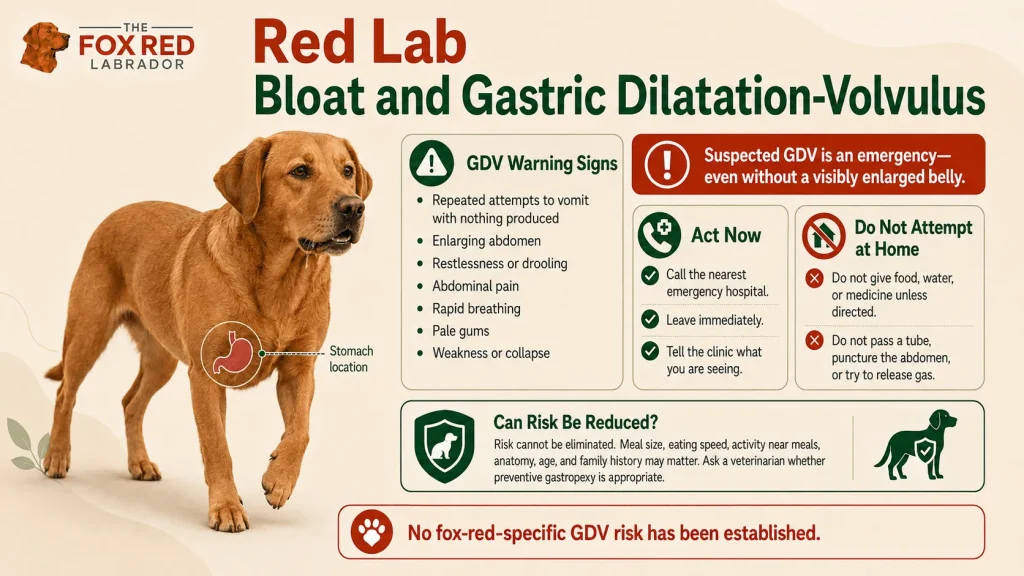
Gastric dilatation is the swelling of the stomach with gas or fluid. Gastric dilatation-volvulus or GDV, is the combination of twisting and blood flow impairment, and can lead to shock.
No evidence of a fox-red specific risk of GDV. However, all medium- to large dog owners need to know the signs and symptoms, as inaction could be fatal.
What Are The Warning Signs of GDV?
It is particularly worrying if the dog keeps trying to vomit but does not. This is followed by abdominal enlargement, restlessness, drooling, pain, rapid breathing, pale gums, weakness or collapse.
Not all dogs have a very enlarged belly early on. If there is any suspicion of GDV, even if there are only a few signs, it should be considered an emergency.
What Should An Owner Do?
Contact the closest emergency hospital and get away immediately. Inform the clinic about what you are seeing, so they can prepare themselves.
Never give food, water or medicine without the veterinarian’s instructions. Do not try to pass a tube, puncture the abdomen or release gas at home.
Can GDV Be Prevented?
There is no way to eliminate all risk. Factors such as the size of the meal, speed of eating, activity around mealtimes, anatomy, family history, age and others can affect a dog’s risk.
Preventive gastropexy is sometimes recommended for dogs that are deemed to be at higher risk. Benefits, timing, and surgical considerations vary and that decision should be made in consultation with the dog’s veterinarian.
Seizures And Neurologic Warning Signs

A seizure is not a diagnosis of epilepsy. Many possible causes include toxins, metabolic disease, structural brain problems, and inherited epilepsy.
If safe, document the length of time, body movements, awareness, potential exposures, and recovery actions. A video can be helpful for the veterinarian, but personal safety is more important.
Emergency advice is needed if seizures happen more than once, the seizure lasts a long time, the child does not recover fully, they have breathing difficulties, or the first severe seizure. Do not put your hands near the dog’s mouth; keep the dog away from stairs and water.
Cancer, Masses, And Senior-Age Disease

Cancer is a more serious issue in older dogs but there is no evidence that the fox-red color has its own cancer pattern. Any new masses, growing lumps, unexplained weight loss, persistent lameness, pale gums, abdominal enlargement or appetite change should be evaluated.
It is not possible to feel the difference between a soft lump and a serious one. A biopsy of cells or tissue might be necessary to tell the difference between a benign mass and one that needs treatment.
Dental Health
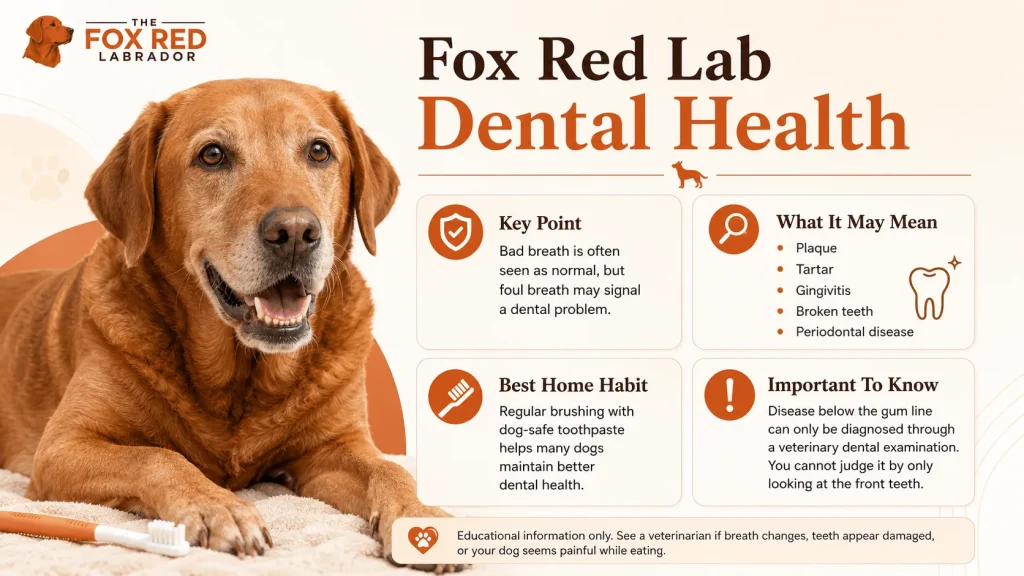
Bad breath is often viewed as a normal doggie attribute. However, foul breath may be accompanied by plaque, tartar, gingivitis, broken teeth, or periodontal disease.
Many dogs benefit most from the home habit of regular brushing with dog-safe toothpaste. Dental disease that lies below the gum line can only be diagnosed through veterinary dental examination, which is not possible by simply looking at the front teeth.
Heat, Swimming, And Outdoor Health Risks

When Active Labs gets so busy running, retrieving or swimming that they don’t slow down when they should. Heat, rough surfaces, water currents, paw damage and over-exertion should be considered before all the fun starts.
Excessive water use during play can also be hazardous, and Blue-green algae can be poisonous. Listen to local alerts, provide rest periods, examine paws, and stop activity if movement or behavior is altered.
Signs Of Heat Illness
If the animal starts to pant heavily, becomes weak or confused, vomits, has abnormal gum color, poor coordination or collapses, it’s a sign of serious overheating. Remove the dog from contact with the heat and contact the veterinarian right away.
While transport arrangements are being made, cooling should be provided by the veterinary team. Extreme cooling and ice baths can cause other issues.
Red Labrador Health-Testing Guide
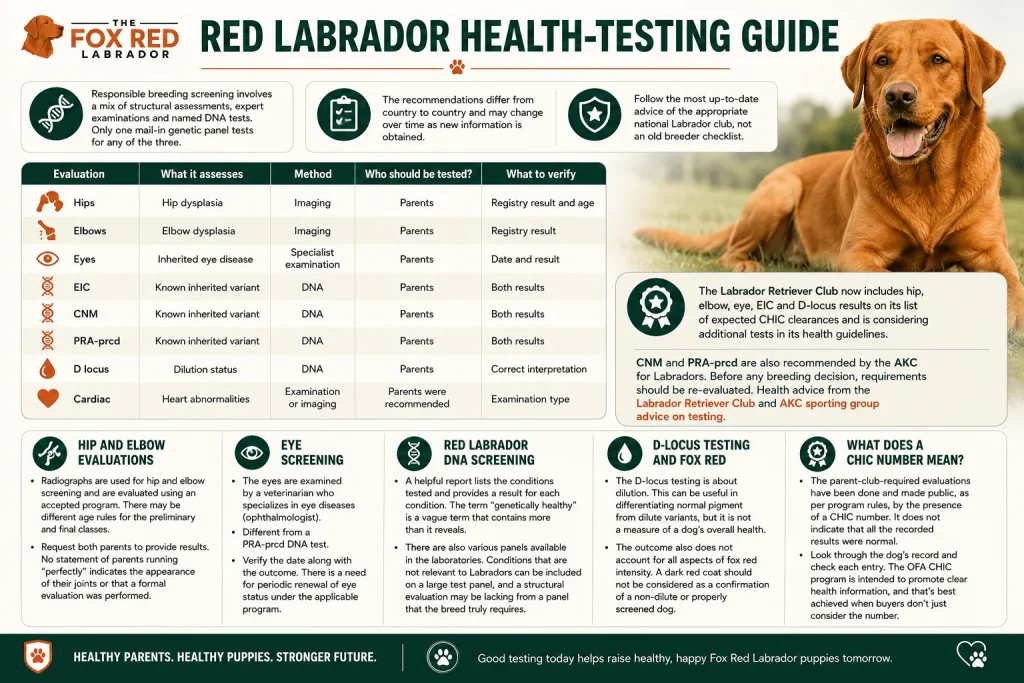
Responsible breeding screening involves a mix of structural assessments, expert examinations and named DNA tests. Only one mail-in genetic panel tests for any of the three.
The recommendations differ from country to country and may change over time as new information is obtained. Follow the most up-to-date advice of the appropriate national Labrador club, not an old breeder checklist.
| Evaluation | What it assesses | Method | Who should be tested? | What to verify |
|---|---|---|---|---|
| Hips | Hip dysplasia | Imaging | Parents | Registry result and age |
| Elbows | Elbow dysplasia | Imaging | Parents | Registry result |
| Eyes | Inherited eye disease | Specialist examination | Parents | Date and result |
| EIC | Known inherited variant | DNA | Parents | Both results |
| CNM | Known inherited variant | DNA | Parents | Both results |
| PRA-prcd | Known inherited variant | DNA | Parents | Both results |
| D locus | Dilution status | DNA | Parents | Correct interpretation |
| Cardiac | Heart abnormalities | Examination or imaging | Parents were recommended | Examination type |
The Labrador Retriever Club now includes hip, elbow, eye, EIC and D-locus results on its list of expected CHIC clearances and is considering additional tests in its health guidelines. CNM and PRA-prcd are also recommended by the AKC for Labradors. Before any breeding decision, requirements should be re-evaluated. Health advice from the Labrador Retriever Club and AKC sporting group advice on testing.
Hip And Elbow Evaluations
Radiographs are used for hip and elbow screening and are evaluated using an accepted program. There may be different age rules for the preliminary and final classes.
Request both parents to provide results. No statement of parents running “perfectly” indicates the appearance of their joints or that a formal evaluation was performed.
Eye Screening
The eyes are examined by a veterinarian who specializes in eye diseases (ophthalmologist). Different from a PRA-prcd DNA test.
Verify the date along with the outcome. There is a need for periodic renewal of eye status under the applicable program.
Red Labrador DNA Screening
A helpful report lists the conditions tested and provides a result for each condition. The term “genetically healthy” is a vague term that contains more than it reveals.
There are also various panels available in the laboratories. Conditions that are not relevant to Labradors can be included on a large test panel, and a structural evaluation may be lacking from a panel that the breed truly requires.
D-Locus Testing and Fox Red
The D-locus testing is about dilution. This can be useful in differentiating normal pigment from dilute variants, but it is not a measure of a dog’s overall health.
The outcome also does not account for all aspects of fox red intensity. A dark red coat should not be considered as a confirmation of a non-dilute or properly screened dog.
What Does A CHIC Number Mean?
The parent-club-required evaluations have been done and made public, as per program rules, by the presence of a CHIC number. It does not indicate that all the recorded results were normal.
Look through the dog’s record and check each entry. The OFA CHIC program is intended to promote clear health information, and that’s best achieved when buyers don’t just consider the number.
How To Interpret Red Fox Lab Genetic Test Results
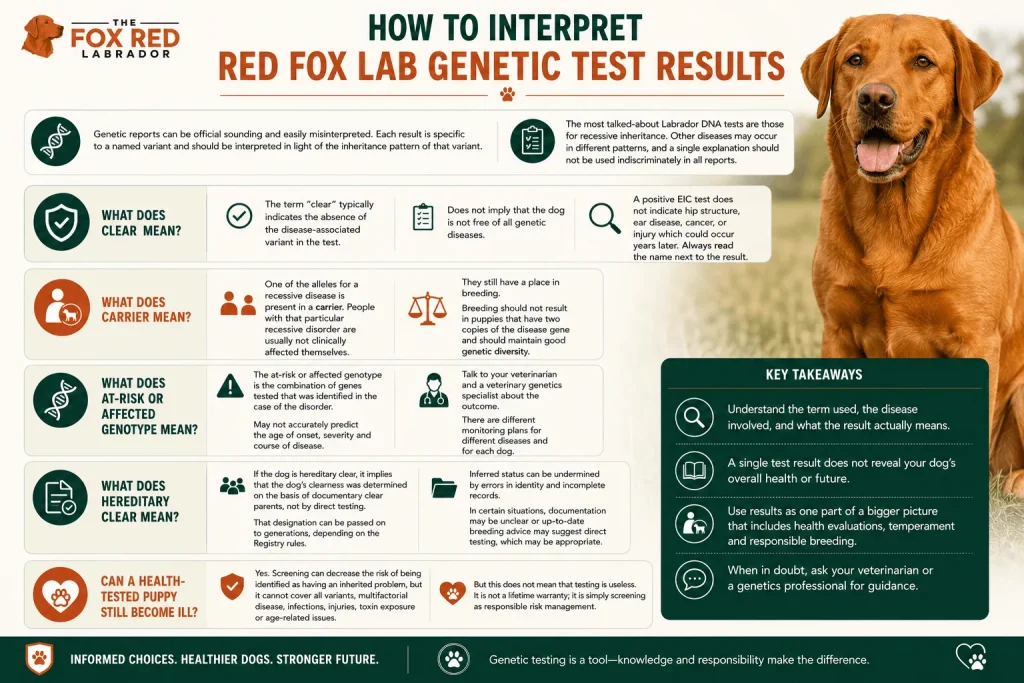
Genetic reports can be official sounding and easily misinterpreted. Each result is specific to a named variant and should be interpreted in light of the inheritance pattern of that variant.
The most talked-about Labrador DNA tests are those for recessive inheritance. Other diseases may occur in different patterns, and a single explanation should not be used indiscriminately in all reports.
What Does Clear Mean?
The term “clear” typically indicates the absence of the disease-associated variant in the test. Does not imply that the dog is not free of all genetic diseases.
A positive EIC test does not indicate hip structure, ear disease, cancer, or injury which could occur years later. Always read the name next to the result.
What Does Carrier Mean?
One of the alleles for a recessive disease is present in a carrier. People with that particular recessive disorder are usually not clinically affected themselves.
They still have a place in breeding. Breeding should not result in puppies that have two copies of the disease gene and should maintain good genetic diversity.
What Does At-Risk Or Affected Genotype Mean?
The at-risk or affected genotype is the combination of genes tested that was identified in the case of the disorder. May not accurately predict the age of onset, severity and course of disease.
Talk to your veterinarian and a veterinary genetics specialist about the outcome. There are different monitoring plans for different diseases and for each dog.
What Does Hereditary Clear Mean?
If the dog is hereditary clear, it implies that the dog’s clearness was determined on the basis of documentary clear parents, not by direct testing. That designation can be passed on to generations, depending on the Registry rules.
Inferred status can be undermined by errors in identity and incomplete records. In certain situations, documentation may be unclear or up-to-date breeding advice may suggest direct testing, which may be appropriate.
Can A Health-Tested Puppy Still Become Ill?
Yes. Screening can decrease the risk of being identified as having an inherited problem, but it cannot cover all variants, multifactorial disease, infections, injuries, toxin exposure or age-related issues.
But this does not mean that testing is useless. It is not a lifetime warranty; it is simply screening as responsible risk management.
How To Verify A Breeder’s Health Claims
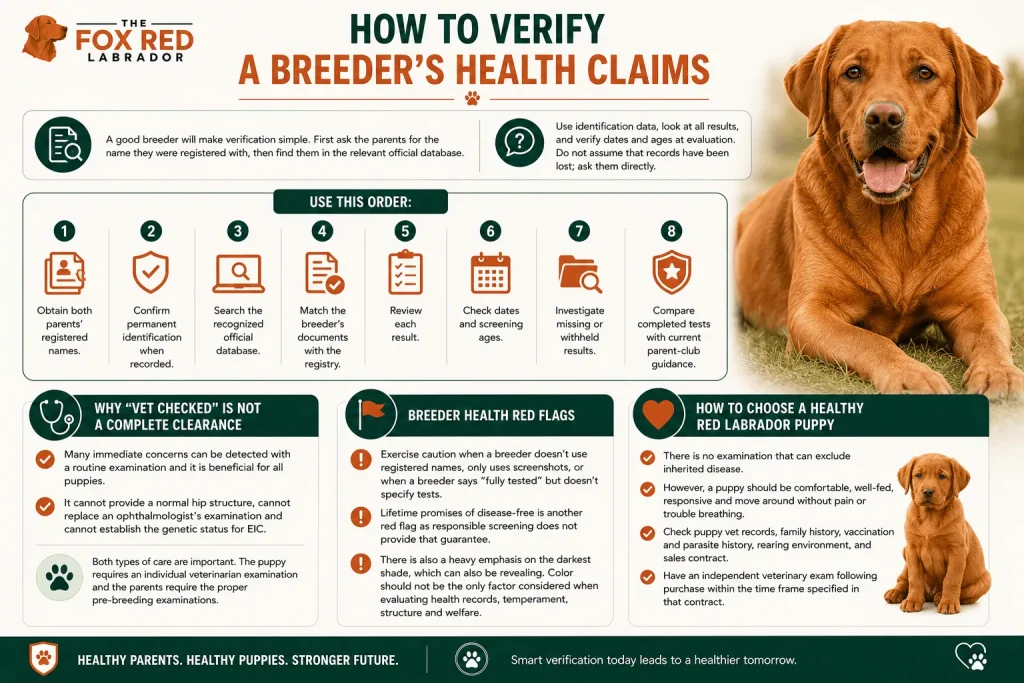
A good breeder will make verification simple. First ask the parents for the name they were registered with, then find them in the relevant official database.
Use identification data, look at all results, and verify dates and ages at evaluation. Do not assume that records have been lost; ask them directly.
Use this order:
- Obtain both parents’ registered names.
- Confirm permanent identification when recorded.
- Search the recognized official database.
- Match the breeder’s documents with the registry.
- Review each result.
- Check dates and screening ages.
- Investigate missing or withheld results.
- Compare completed tests with current parent-club guidance.
Why “Vet Checked” Is Not A Complete Clearance
Many immediate concerns can be detected with a routine examination and it is beneficial for all puppies. It cannot provide a normal hip structure, cannot replace an ophthalmologist’s examination and cannot establish the genetic status for EIC.
Both types of care are important. The puppy requires an individual veterinarian examination and the parents require the proper pre-breeding examinations.
Breeder Health Red Flags
Exercise caution when a breeder doesn’t use registered names, only uses screenshots, or when a breeder says “fully tested” but doesn’t specify tests. Lifetime promises of disease-free is another red flag as responsible screening does not provide that guarantee.
There is also a heavy emphasis on the darkest shade, which can also be revealing. Color should not be the only factor considered when evaluating health records, temperament, structure and welfare.
How To Choose A Healthy Red Labrador Puppy
There is no examination that can exclude inherited disease. However, a puppy should be comfortable, well-fed, responsive and move around without pain or trouble breathing.
Check puppy vet records, family history, vaccination and parasite history, rearing environment, and sales contract. Have an independent veterinary exam following purchase within the time frame specified in that contract.
Red Labrador Preventive Care Schedule
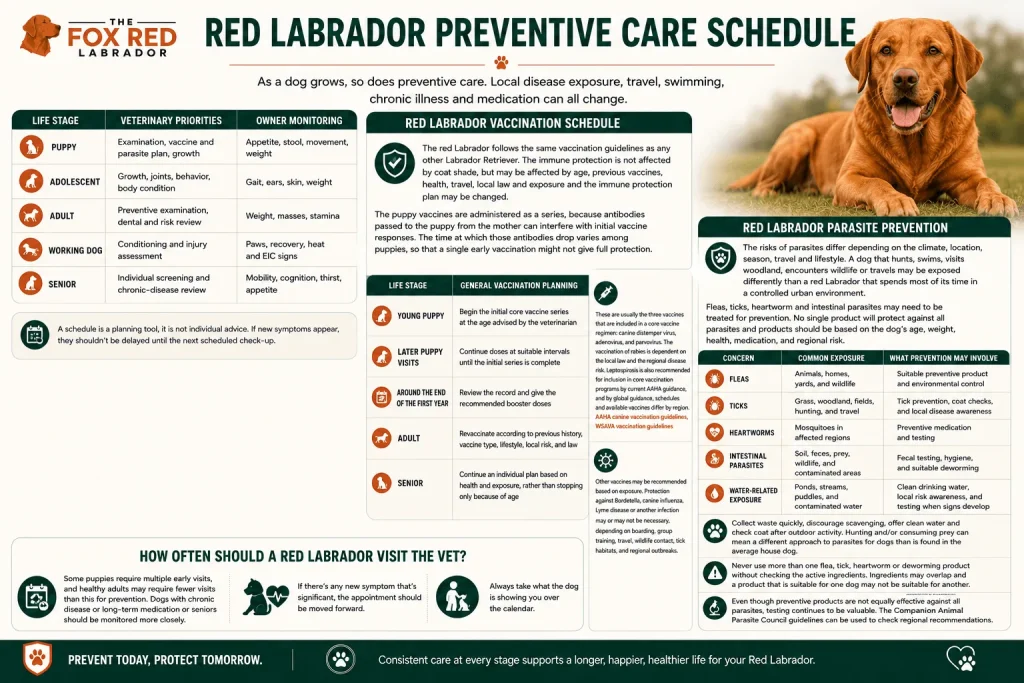
As a dog grows, so do preventive care. Local disease exposure, travel, swimming, chronic illness and medication can all change.
| Life stage | Veterinary priorities | Owner monitoring |
|---|---|---|
| Puppy | Examination, vaccine and parasite plan, growth | Appetite, stool, movement, weight |
| Adolescent | Growth, joints, behavior, body condition | Gait, ears, skin, weight |
| Adult | Preventive examination, dental and risk review | Weight, masses, stamina |
| Working dog | Conditioning and injury assessment | Paws, recovery, heat and EIC signs |
| Senior | Individual screening and chronic-disease review | Mobility, cognition, thirst, appetite |
A schedule is a planning tool; it is not individual advice. If new symptoms appear, they shouldn’t be delayed until the next scheduled check-up.
Red Labrador Vaccination Schedule
The red Labrador follows the same vaccination guidelines as any other Labrador Retriever. The immune protection is not affected by coat shade, but may be affected by age, previous vaccines, health, travel, local law, exposure and the immune protection plan may be changed.
The puppy vaccines are administered as a series, because antibodies passed to the puppy from the mother can interfere with initial vaccine responses. The time at which those antibodies drop varies among puppies, so that a single early vaccination might not give full protection.
| Life stage | General vaccination planning |
|---|---|
| Young puppy | Begin the initial core vaccine series at the age advised by the veterinarian |
| Later puppy visits | Continue doses at suitable intervals until the initial series is complete |
| Around the end of the first year | Review the record and give the recommended booster doses |
| Adult | Revaccinate according to previous history, vaccine type, lifestyle, local risk, and law |
| Senior | Continue an individual plan based on health and exposure, rather than stopping only because of age |
These are usually the three vaccines that are included in a core vaccine regimen: canine distemper virus, adenovirus, and parvovirus. The vaccination of rabbits is dependent on the local law and the regional disease risk. Leptospirosis is also recommended for inclusion in core vaccination programs by current AAHA guidance, and by global guidance, schedules and available vaccines differ by region. AAHA canine vaccination guidelines, WSAVA vaccination guidelines
Other vaccines may be recommended based on exposure. Protection against Bordetella, canine influenza, Lyme disease or another infection may or may not be necessary, depending on boarding, group training, travel, wildlife contact, tick habitats, and regional outbreaks.
Red Labrador Parasite Prevention
The risks of parasites differ depending on the climate, location, season, travel and lifestyle. A dog that hunts, swims, visits woodland, encounters wildlife or travels may be exposed differently than a red Labrador that spends most of its time in a controlled urban environment.
Fleas, ticks, heartworm and intestinal parasites may need to be treated for prevention. No single product will protect against all parasites and products should be based on the dog’s age, weight, health, medication, and regional risk.
| Concern | Common exposure | What prevention may involve |
|---|---|---|
| Fleas | Animals, homes, yards, and wildlife | Suitable preventive product and environmental control |
| Ticks | Grass, woodland, fields, hunting, and travel | Tick prevention, coat checks, and local disease awareness |
| Heartworms | Mosquitoes in affected regions | Preventive medication and testing |
| Intestinal parasites | Soil, feces, prey, wildlife, and contaminated areas | Fecal testing, hygiene, and suitable deworming |
| Water-related exposure | Ponds, streams, puddles, and contaminated water | Clean drinking water, local risk awareness, and testing when signs develop |
Collect waste quickly, discourage scavenging, offer clean water and check coat after outdoor activity. Hunting and/or consuming prey can mean a different approach to parasites for dogs than is found in the average house dog.
Never use more than one flea, tick, heartworm or deworming product without checking the active ingredients. Ingredients may overlap and a product that is suitable for one dog may not be suitable for another.
Even though preventive products are not equally effective against all parasites, testing continues to be valuable. The Companion Animal Parasite Council guidelines can be used to check regional recommendations.
How Often Should A Red Labrador Visit the Vet?
Some puppies require multiple early visits, and healthy adults may require fewer visits than this for prevention. Dogs with chronic disease or long-term medication or seniors should be monitored more closely.
If there’s any new symptom that’s significant, the appointment should be moved forward. Always take what the dog is showing you over the calendar.
Food, Weight, And Exercise

No special food is required for a red coat. Nutrition should be adjusted to the life stage, body condition, activity level and medical conditions.
The same should apply to exercise. Two different coat colors can be seen in a fit working Lab and an arthritic senior, and their routines are very different.
What Is The Best Food For A Red Labrador?
When selecting the best dog food for Fox Red Lab health, it is important to select a complete and balanced food that has an adequate nutrition statement. For large breed puppies, a food designed for controlled growth is a better choice than a food for maximum growth.
The recommendation may be altered if there is a medical condition. If a dog has a food allergy, kidney disease, obesity or GI illness, a plan may need to be created around those conditions.
What Supplements Should A Red Labrador Take?
Routine supplementation may not be necessary in a healthy dog on a complete diet. In some cases, joint products and omega-3 fatty acids may be considered, but there are variations in quality, evidence, and dosing.
Supplements may interfere with other drugs and unbalance diets. They should complement, not supplant, diagnosis, weight management, rehabilitation, and/or prescribed treatment.
Generally, a dog with a well-balanced diet provided by good food doesn’t require extra vitamins or minerals. Excessive supplementation may lead to an imbalance in the diet and some nutrients can be toxic at high doses.
How Much Exercise Does A Red Labrador Need?
The amount of exercise required varies with age, fitness, health, climate and working history. Daily exercise, retrieval, play or scent work is generally good for healthy adults.
The amount of conditioning should be ramped up slowly. If a dog is not used to an active lifestyle, don’t push him or her into a long, challenging weekend hike.
How Should Puppy Exercise Be Managed?
Puppies require exercise, exploration and play. Short, easy lessons are generally better for developing bodies than prolonged running or repeated high jumps.
No single, consistent recommendation exists for the number of minutes of physical activity that should be performed on a monthly basis for each age group. Observe the puppy and ask for advice if the puppy is continually sore or limping.
Senior Red Labrador Health Checks

Senior care is about change, not some single birthday. The plan is impacted by mobility, muscle condition, cognition, chronic disease, and medication needs.
Problems can be discovered before they become a crisis with closer monitoring. It also provides families with time to make changes to the house and maintain their normal routines.
When Is A Labrador Considered Senior?
Labradors start to enter their senior phase at about 7-8 years old and the process is a gradual one. If your dog is very active and you have an eight-year-old who is not mobile, you may need to take care of them differently.
Pay more attention to age; don’t diagnose it. Any new stiffness, confusion or change in appetite should not be considered a part of “getting old.”
What Health Problems Do Older Red Labradors Get?
As age increases, arthritis, muscle loss, dental disease, cancer, cognitive change, hearing loss and vision change become more relevant. Other chronic conditions can also present, such as kidney, endocrine, cardiac and other conditions.
As activity decreases, some senior dogs put on weight. Some individuals lose weight or muscle, which may be an early symptom of disease.
What Should A Senior Veterinary Check Include?
A useful visit begins with changes observed at home. The exam may evaluate weight, muscle, mobility, pain, mouth, heart, lungs, skin masses, vision and neurologic function.
History and findings may lead to recommendations for blood, urine, blood pressure or other tests. Testing should address a clinical question, and not just because it is a birth date.
How Can Owners Support A Senior Lab At Home?
Daily life can be made easier by using non-slip floor mats, supportive bedding, controlled exercise and easy access to water and toilet facilities. Nails should not be too long as they can cause loss of grip.
Monitor eating, drinking, movement, bedtime and toilet needs. It’s often more informative to see how things changed over time, rather than relying on memory alone.
When To Call A Veterinarian

Owners don’t have to recognize the disease before they are able to seek assistance. The aim is to identify a significant change and select a suitable level of care.
Urgency is based on severity, length of illness, age, and medical history. If in doubt, call a veterinary clinic and give a detailed description of what’s happening.
Arrange A Routine Appointment
Schedule a non-emergency appointment if the weight has changed over time, if the pain is mild but frequent, if the child has persistent bad breath, if the skin mass is stable, if the child has less stamina, or if the earwax is recurring.
“Routine” does not mean unimportant. It indicates that the dog is currently stable enough to be able to be cared for rather than rushed immediately to an emergency hospital.
Seek Same-Day Veterinary Advice
For any significant new lameness, repeated vomiting or diarrhea, sudden appetite loss, painful ear, redness of the eyes, squinting, marked lethargy or when a skin lesion gets worse very quickly, call the same day.
If there is a significant increase in thirst or urination, this also should be assessed promptly. Advice given earlier may help to avoid dehydration, pain or further deterioration.
Seek Emergency Care Now
If the animal has trouble breathing, collapses, has pale or blue gums, excessive bleeding, serious trauma, suspected poisoning, repeated unproductive retching or suddenly cannot stand, it needs emergency care.
Sudden, painful vision loss is similar to prolonged or repeated seizures. If possible, call ahead; otherwise, proceed without further warning.
Pet Insurance For A Red Labrador
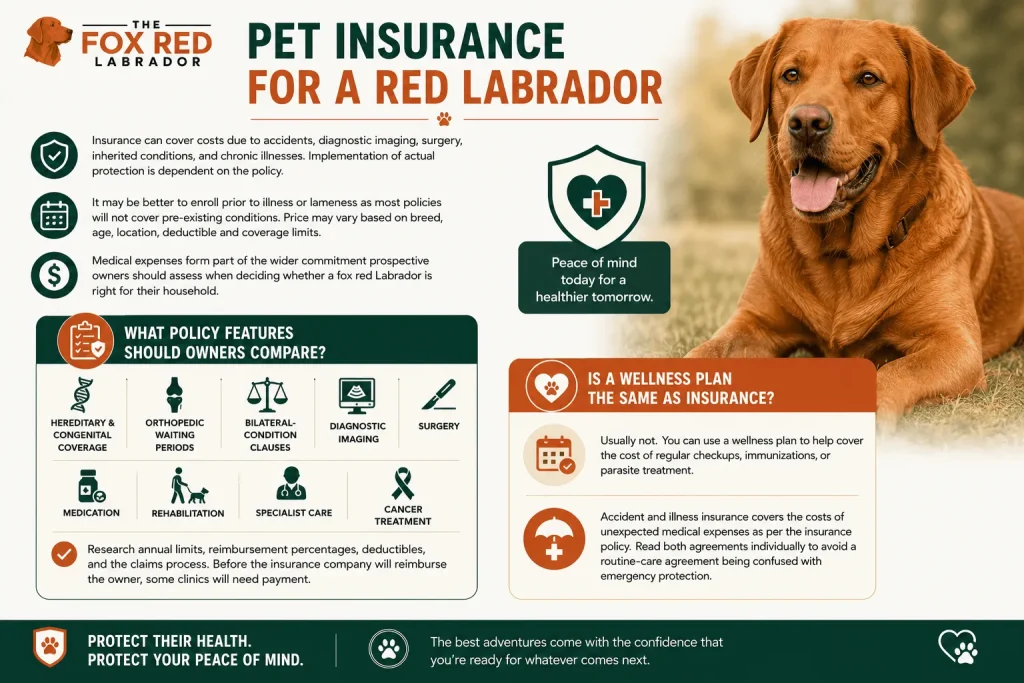
Insurance can cover costs due to accidents, diagnostic imaging, surgery, inherited conditions, and chronic illnesses. Implementation of actual protection is dependent on the policy.
It may be better to enroll prior to illness or lameness as most policies will not cover pre-existing conditions. Price may vary based on breed, age, location, deductible and coverage limits. Medical expenses form part of the wider commitment prospective owners should assess when deciding whether a fox red Labrador is right for their household.
What Policy Features Should Owners Compare?
Discuss hereditary, congenital coverage, orthopedic waiting periods, bilateral-condition clauses, diagnostic imaging, surgery, medication, rehabilitation, specialist care, and cancer treatment.
Research annual limits, reimbursement percentages, deductibles, and the claims process. Before the insurance company will reimburse the owner, some clinics will need payment.
Is A Wellness Plan The Same As Insurance?
Usually not. You can use a wellness plan to help cover the cost of regular checkups, immunizations, or parasite treatment.
Accident and illness insurance covers the costs of unexpected medical expenses as per the insurance policy. Read both agreements individually to avoid a routine-care agreement being confused with emergency protection.
Conclusion: A Red Coat Does Not Replace Health Records
A fox-red Labrador is not a medical category but a darker tone of yellow Labrador. While the shade is gorgeous, it doesn’t show the condition of the joints, eyes, heart or nervous system.
A puppy starts off better when verified parental screening is done. That protection begins with lean body condition, proper exercise, prevention and early recognition of symptoms.
Select the dog first, and then the color. Now keep the health records close, the food portions measured, and maybe the socks out of reach—the good screenings won’t make a well-screened dog any less a dog.
FAQ’s
Normal fox-red pigment has not been shown to cause a distinct disease profile. Health concerns may arise indirectly when breeding programs prioritize shade over genetic diversity, structure, temperament, and screening.
Important concerns include hip and elbow dysplasia, obesity, ear and skin disease, eye disorders, and cruciate injuries. EIC, CNM, and PRA-prcd are inherited Labrador conditions for which DNA screening is available.
Their lifespan is generally comparable with that of other yellow Labradors, although estimates vary among studies. Genetics, body condition, injuries, chronic disease, and access to veterinary care influence each dog’s outcome.
No. A CHIC number shows that required evaluations were completed and released publicly under program rules. Open the record and check each individual result rather than relying on the number alone.
Yes. Screening reduces identifiable inherited risk but cannot prevent every multifactorial, acquired, infectious, traumatic, or age-related condition. It improves breeding decisions without providing a lifetime guarantee.
Weakness, wobbling, poor coordination, dragging the hind limbs, or collapse during intense exercise can occur with EIC. Stop activity and seek urgent care for collapse, breathing difficulty, overheating, or delayed recovery.
Repeated unproductive retching, abdominal enlargement, restlessness, drooling, pale gums, weakness, and collapse can indicate GDV. Treat these signs as an emergency and travel to a veterinary hospital immediately.
Maintain a lean body condition, measure food, provide suitable daily exercise, and keep preventive care current. Seek help for recurring ear disease, itching, lameness, vision change, collapse, or unexplained behavioral changes.
Insurance may help manage eligible costs from injury, surgery, inherited disease, and chronic illness. Compare exclusions, waiting periods, orthopedic coverage, reimbursement, deductibles, and annual limits before choosing a policy.
The puppy should receive a veterinary examination and appropriate parasite and vaccination care. Buyers should also verify both parents’ hip, elbow, eye, EIC, CNM, PRA-prcd, and other currently recommended Labrador screening results.
Maintain a lean body condition, provide controlled exercise, and make the home easier to move around with non-slip flooring and supportive bedding. Monitor mobility, appetite, thirst, weight, sleep, cognition, and bathroom habits, and report meaningful changes promptly.
References And Evidence Notes
Medical recommendations change as research and breed-club programs are updated. Check dated sources again before making breeding or individual treatment decisions.
| Source | Claim supported | Type of evidence |
| Labrador Retriever Club Health Issues | Labrador screening recommendations | National parent-club guidance |
| OFA CHIC Program | Meaning and purpose of CHIC participation | Official registry guidance |
| AKC Sporting Group Health Testing | Listed Labrador health tests | Registry and parent-club summary |
| UC Davis Labrador Health Panel | EIC, CNM, HNPK, and other inherited conditions | Veterinary genetics laboratory |
| VetCompass Labrador Disorder Study | Labrador disorder predispositions and protections | Peer-reviewed population research |
| OFA Disease Information | Purpose of breed health screening | Official health-registry guidance |